
Planned Giving
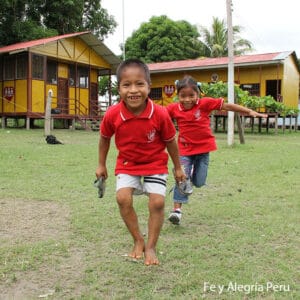
Photo: Fe y Alegría Peru
@canadianjesuitsinternational


CJI’s Fall 2026 Campaign, Ecological Justice: It’s not Complicated, kicked off yesterday with a meet and greet with guest speaker Brex Arevalo, an environmentalist from the Philippines, at St. Kevin’s Parish in Montreal. Parishioners gave Brex a warm welcome.
In his remarks, Brex talked about CJI’s campaign, which highlights how care for the Earth cannot be separated from human dignity, social justice, and peace. He also talked about his work with urban poor communities in Manila whose communities are threatened by a destructive waste-burning facility and other practices that are also harmful to the environment. Learn more about CJI’s campaign: Click link in bio.
Our big thanks to the Rev. Andrew T. Thuraisingam (Pastor and Administrator), the Rev. Herbert Schulz (Parish Assistant), Sr. Grace Salvaña ( Parish Catechetical Leader), Aurora Osdon from the Parish Pastoral Council, and Fruan Tabamo from the Filipino Mission of Montreal for making this event possible.
#montreal #jesuit #catholic
23 hours ago
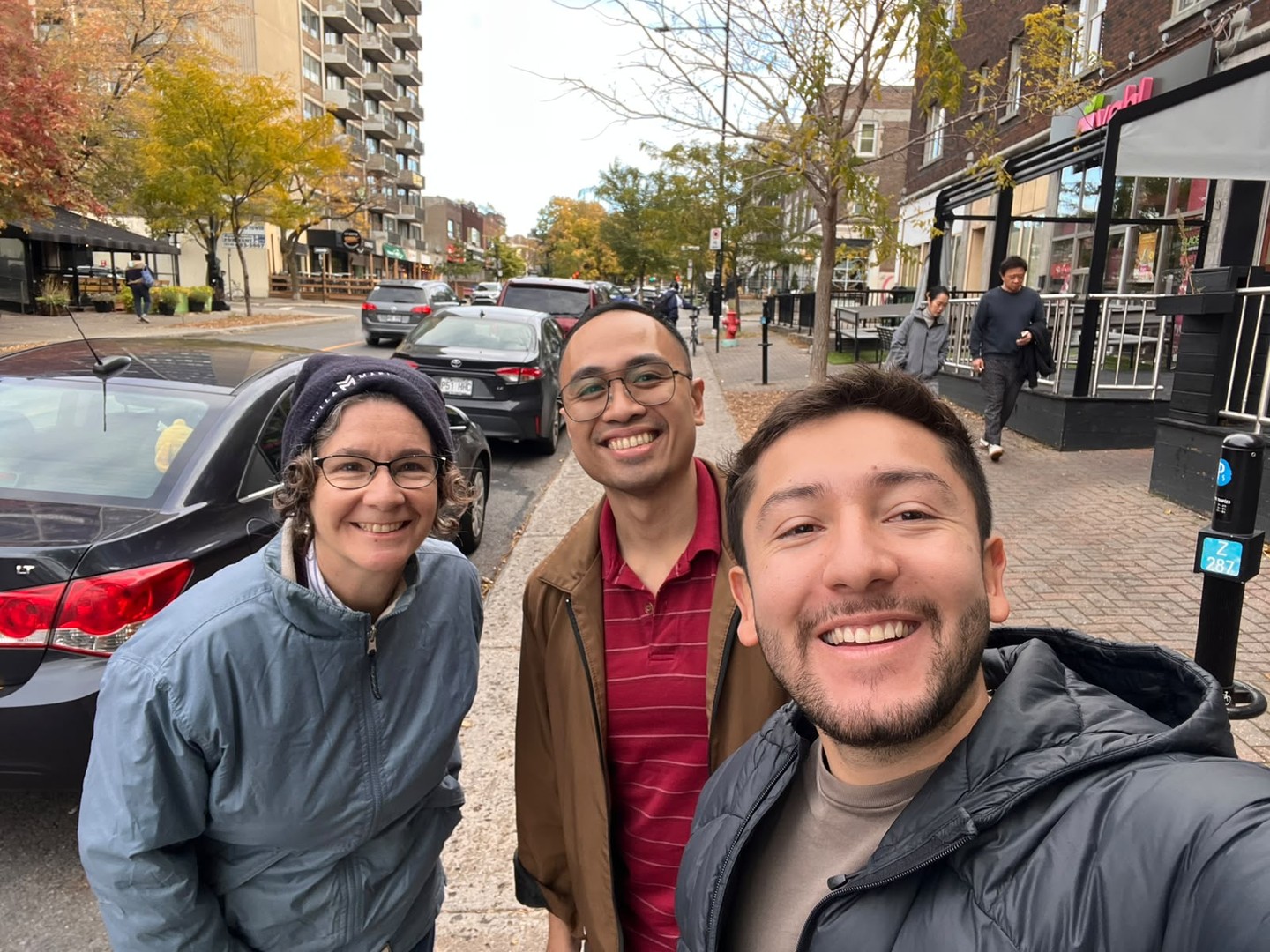
Welcome to Canada, @brexarevalo Brex will be touring the country as guest speaker for Canadian Jesuit International’s (CJI) Fall campaign, Ecological Justice: It’s not complicated. Click link in bio for more information.
He will give free public talks in Montreal, Victoria, Vancouver, Toronto and Waterloo, which are being co-organized by CJI and various partner organisations.
His area of expertise includes climate change, pollution, air quality, and sustainable development. After spending years at Ecojesuit — the global communications platform and online resource centre for the Global Ignatian Advocacy Network — where his work was guided by Ignatian values, Brex now works with urban poor communities in Manila, Philippines, as Climate and Anti-Incineration Campaigner for the Global Alliance for Incinerator Alternatives (GAIA).
#Jesuits #Montreal #climatejustice #laudatosi
23 hours ago


CJI will be in Ottawa! Mark your calendar now and join us for this free public talk on Wed., Oct. 21, at 6 p.m., at Saint-Paul University's Amphitheatre.
Learn more about CJI's 2026 Fall Campaign, Ecological Justice: It's not Complicated : Click link in bio.
2 days ago


A big thanks to students and faculty at St. Paul’s College, Winnipeg, for welcoming Canadian Jesuits International (CJI) to your space for a Lunch ‘n’ Learn session.
CJI Outreach Coordinator Juan Camilo Poveda gave an overview of CJI’s work with Jesuit partners in the Global South who support communities advocating for social and ecological justice, human rights and peace. He showed photos and videos that tell the stories of CJI partners who work in areas such as education, human rights, civic participation and peace building, ecology and sustainability and support for forcibly displaced people.
He underscored the importance of advocacy and solidarity in Canada and invited them to contribute to CJI’s education and advocacy efforts to promote global justice and international solidarity.
Later that day, Juan Camilo presented CJI’s fall campaign on ecological justice during a retreat with 175 students at St. Paul’s High School, Winnipeg. Learn more about CJI’s Fall Campaign: Click link in bio
#Jesuits #winnipeg #schools #socialjustice
4 days ago


Directors from the Xavier Network (XN) – the network of Jesuit mission offices and development NGOs from Europe and North America – recently held a three-day annual meeting in Nuremberg. Various topics were discussed, including the projects and emergencies supported by the network.
Network members also gave a heartfelt farewell to Jenny Cafiso, Executive Director of Canadian Jesuits International. Jenny was given a photo book as a memento of their shared history and was also recognized for her many years of service and leadership within the network. Jenny was elected Xavier coordinator in 2024 and served until spring 2026. In June, Jenny announced her retirement, which is set to take effect at the end of this year.
5 days ago


CJI's 2026 Fall Campaign, Ecological Justice: It's not Complicated, begins this Sunday, October 18, with a free public event at the parish hall of St. Kevin's Parish, Montreal.
We hope to see you there!
Learn more about CJI's Fall Campaign: Click link in bio
#Jesuit #ecojustice #climatejustice #climatechange #ourcommonhome #laudatosi
6 days ago


Learn more about CJI's Fall Campaign, Ecological Justice: It's not complicated!
7 days ago
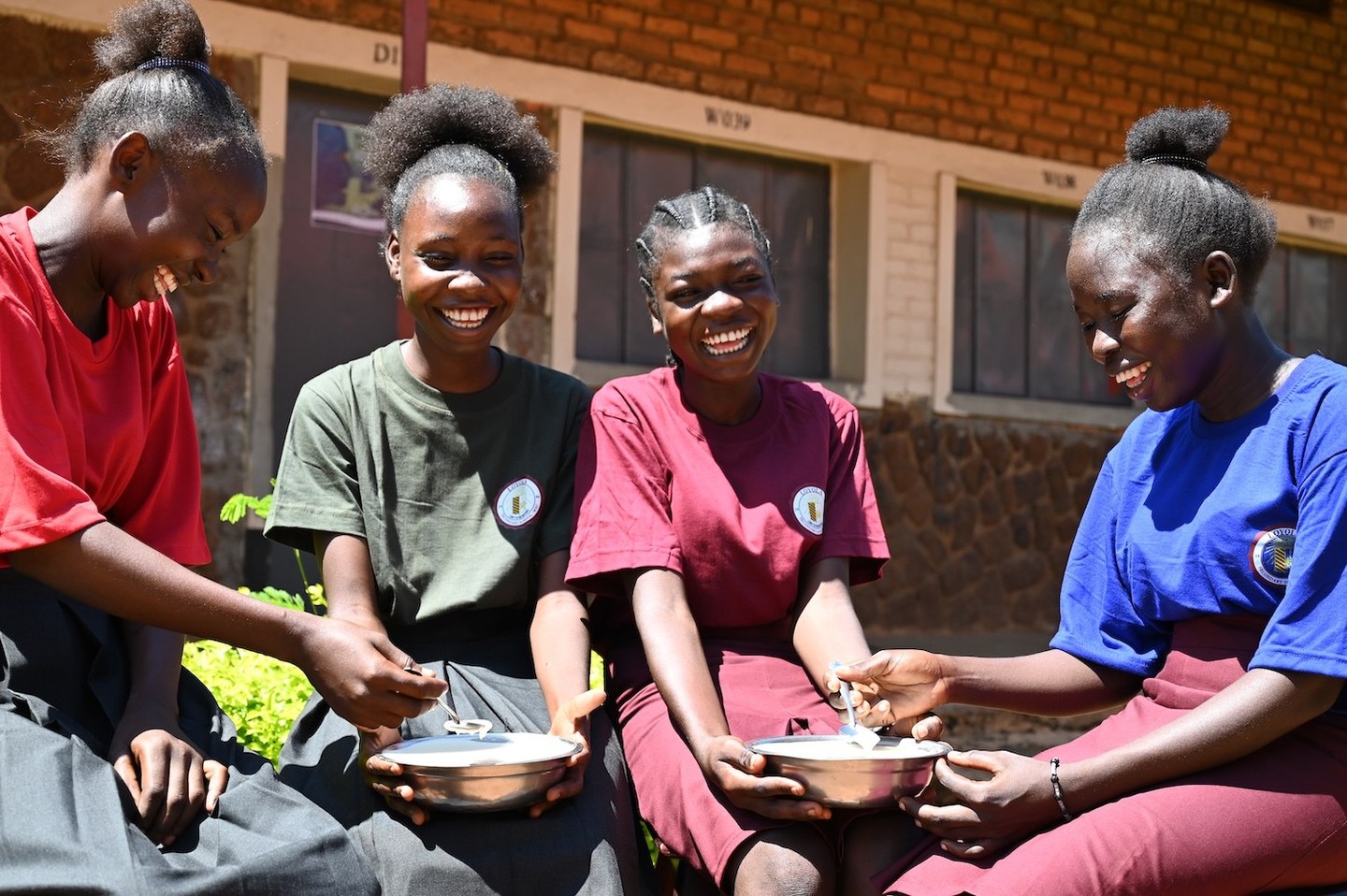
On the International Day of the Girl Child, October 11, Canadian Jesuits International highlights the importance of girls’ education and the need to recognize education as a human right.
CJI, which works with the poor and marginalized in the Global South, supports projects that enable young women and girls to receive safe, free and quality education.
Our Jesuit partners in South Sudan deliver quality education at kindergartens, primary and secondary schools, focusing on students, especially girls from poor and marginalized communities (see photo). Girls in South Sudan are ore likely to childbirth than to complete secondary education. The project addresses the theme for this year’s commemoration of the event:
“End child marriage and invest in girls’ rights!”
“Every girl deserves a childhood. Every girl deserves the freedom to learn, to grow, to make her own choices and to define her own future. Yet millions of girls are still denied that freedom,” said the United Nations in a statement. “Each year, more than 12 million girls - roughly one every three seconds - are married before reaching adulthood, with the highest prevalence in sub-Saharan Africa (31 per cent).”
Child marriage violates girl’s s rights. It robs them of their childhood and their right to education, preventing them from achieving their potential as human beings. It also increases their chances of experiencing violence and poor health.
Ensuring that all girls and young women have access to safe, free, and quality education must be a global development priority. Educating a girl not only empowers her to reach her full potential and access better employment opportunities, but also creates lasting benefits for her family, her community, and society as a whole.
2 weeks ago


On Thursday 8 October, the staff at Canadian Jesuits International warmly welcomed Mura indigenous leaders from the Brazilian Amazon. The leaders are in Canada to seek solidarity and raise awareness of the ongoing resistance in their community to the proposed Autazes Potash Project in Brazil, which is backed by a Canadian mining company.
The delegation, which also met with civil society representatives in Ottawa, said that the project threatens their territories, rivers, livelihoods and way of life. Ana Claudia and Felipe Gabriel, Mura Indigenous leaders representing the communities of Lago de Soares and Urucurituba, which are most affected by the project, shared how the mining company has disregarded the extensive protocol for free, prior and informed consent developed by Indigenous leaders in around 40 communities. Company representatives have instead sown discord and torn communities apart by pitting those who will be directly affected by the project and those that won’t; the company has also presented its own protocol that “misrepresents” the position of the Mura Indigenous peoples, they said. Canadians need to know that this is a “contentious” project, said the leaders.
A report, Resistance: Mura Struggle Against Canadian Potash Mining in Brazil's Amazon. documents the potential human rights and environmental risks associated with the project: https://bit.ly/4hEceg0
The report was prepared jointly by the International Human Rights Program (IHRP) at the University of Toronto Henry N. R. Jackman School of Law, the Cardozo Law Institute in Holocaust and Human Rights (CLIHHR), the Federal University of Rio Grande do Sul Program in Law (PPGD/UFRGS), and the Observatory of Socio-Environmental Law and Human Rights in the Amazon (ODSDH) of Federal University of Amazonas (UFAM).
Representatives of the Conselho Indigenista Missionário (CIMI, Indigenous Missionary Council), have accompanied the delegation during their tour. CIMI was founded in 1972 by Catholic bishops of Brazil to support Indigenous peoples in their struggle for survival, the protection and defense of their territories, and respect for their dignity.
2 weeks ago