
2026 Christmas Appeal
“Let the heavens be glad, and let the earth rejoice.”
– Psalm 96:11
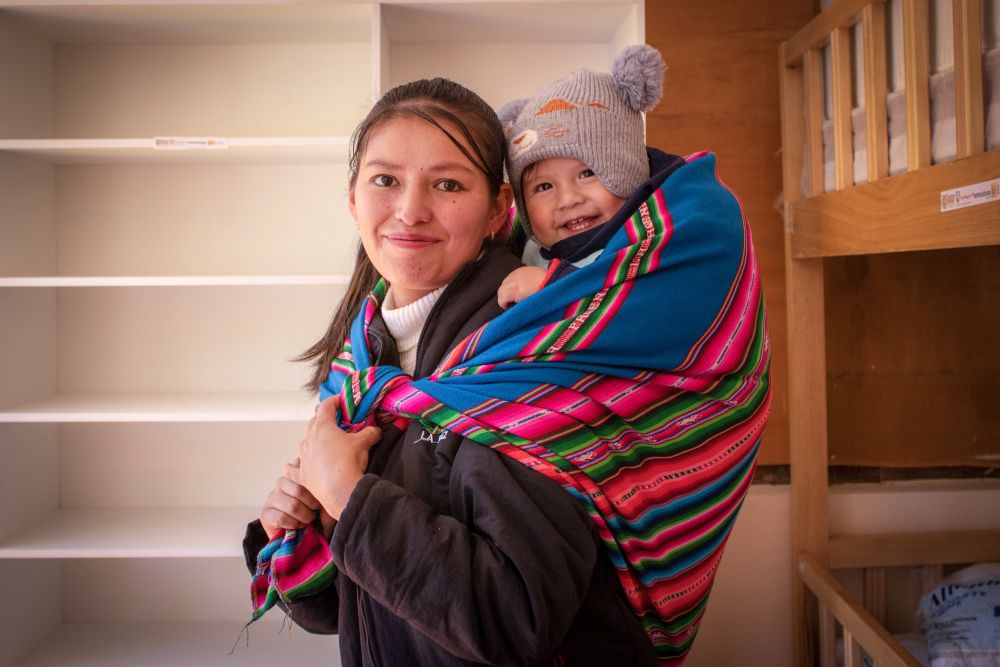
CJI partner Fe y Alegría runs early childhood development classes, focusing on poor rural areas. Photo: Fe y Alegría
This beautiful, evocative verse tells us that the birth of Jesus was a momentous event celebrated by all of God’s creation. His humble arrival as a baby born in a manger brought good news to the world.
Psalm 96:11 illustrates how God is present in each of us and in our natural environment. In his encyclical Laudato Si, mi Signore, Pope Francis reinforces this interconnectedness. Human life, said Pope Francis, “is grounded in three fundamental and closely intertwined relationships: with God, our neighbour, and with the earth itself.”
Yet for me Psalm 96:11 stands as a challenge to be fulfilled than a reality to be celebrated. In September, I returned from a trip to Haiti, where I met people living in extreme poverty, and those forced to flee by violence. They lack the most basic necessities and struggle every day just to survive. This reality was heart-wrenching.
Witnessing such deep suffering, makes the intertwined relationships with God, our neighbours and the Earth more of a call, than a statement about how things are. During my 23 years as Executive Director at Canadian Jesuits International (CJI), I have witnessed the devastating impact of injustice, inequality, and unsustainable development models that prioritize profit over people and nature. Our Jesuit partners in the Global South accompany people on the margins of society who are often deprived of their dignity: people who have been denied their human rights; have been forcibly displaced by war, conflict, extractive activities, or the climate crisis; and lack access to education, health care, and jobs.
This reality is a far cry from Pope Francis’ emphasis that “the gift of the earth with its fruits belongs to everyone. Those who tilled and kept the land were obliged to share its fruits, especially with the poor, with widows, orphans, and foreigners in their midst.” Therefore, he adds, “A sense of deep communion with the rest of nature cannot be real if our hearts lack tenderness, compassion and concern for our fellow human beings.”
As we prepare for Christmas, my hope rests on this call.
 In Haiti, we witnessed tenderness and compassion at a Fe y Alegria school, which provides quality education and an oasis of beauty, and hope for many children living in extreme poverty.
I witnessed compassion at the Jesuit Service for Migrants-Haiti reception centre, where the night before, colleagues had welcomed migrants, including children, who had been forcibly deported from the Dominican Republic; they gave them food, a place to sleep, and legal advice to help them decide the next move.
In the Dominican Republic, we witnessed concern when we visited a community that has been fighting against a Canadian gold mining company for years. The company’s activities have devastated the community’s land, water supply, and livelihood. Yet they have not given up their fight for justice, despite the threats and intimidation.
Tenderness, compassion, and concern are rooted in the struggle for peace, justice, and human rights. For some of our partners this sometimes means paying with their lives, as we have seen in Honduras, the Amazon, India, and in so many other forgotten places.
My hope stems from having witnessed the tenacious commitment of our partners, the people, and communities they work with, and of you, our supporters, and friends. You have embraced CJI’s mission to love and serve others, particularly those who are yearning for peace and advocating for social justice. Your actions and the courage of your conviction that a just world is possible have truly inspired me and everyone at CJI.
I am now preparing to leave CJI with a joyful heart, knowing that thanks to your ongoing efforts, God’s promise will be fulfilled, the heavens will be glad, and the earth will rejoice. This is our mission and the basis of our hope.
May you and your loved ones have a blessed Christmas.
Jenny Cafiso
Executive Director
Canadian Jesuits International
Thank you for donating to the 2026 CJI Christmas Appeal.
Download a PDF of the Christmas Appeal 2026 brochure
Download a PDF of the Christmas Appeal 2026 letter

The Jesuit-led Human Life Development and Research Centre (HLDRC) provides education support for the children of tea workers through its non-formal study centres. Photo: HLDRC
The birth of Jesus was so profound and wonderful that the heavens were summoned to “be glad” and the earth to rejoice. This beautiful verse expresses the joy of Christmas. It is not just us who celebrate the coming of our Saviour, but all of creation. It serves as a powerful reminder of the deep connection between people and nature. We rely on nature for clean air and water, food, and sustenance. In return, we are expected to care for the Earth, our common home. It is also our sacred duty to care for the poor and marginalized, who are the least responsible for harming nature, yet bear the brunt of its devastation. The message of Psalm 96:11 gains resonance when we consider how the ecological crisis has deepened.
However, the fact that the world is facing many challenges today does not necessarily mean that we cannot feel joy at Christmas. As Pope Leo XIV reminds us, joy does not mean the absence of suffering. We can have joy even in difficult times “if we have the profound conviction that God cares for us as His beloved children.” Joy also arises when we live out the Gospel by caring for others, particularly the poor, and for the earth.
The transformative work of our Jesuit partners in Africa, Asia, the Middle East, and Latin America and the Caribbean, supported by you, our devoted supporters and partners, demonstrates the gifts of love and joy that Christmas brings. Together you help poor and marginalized children to gain access to quality education. You provide accompaniment to refugees and migrants. You help to empower tea garden workers to advocate for their rights. You help good governance and servant leadership to thrive.
We thank you and wish you a joyful Christmas.
FIRST SUNDAY OF ADVENT
29 November 2026
“And what I say to you I say to all: Keep awake. ”
— Mark 13:37

JESUITS IN HAITI — SUPPORT FOR VULNERABLE COMMUNITIES
Canadian Jesuits International is supporting projects by the Jesuits in Haiti, ranging from free preschool education for the most vulnerable children in rural areas, to humanitarian support for Haitian refugees and migrants.
Fe y Alegría has been providing universal, free, and quality education, particularly for the most vulnerable. It has a network of 15 public educational centres that offer preschool, primary, and secondary education.
Jesuit Service for Migrants-Haiti (SJM) provides food, temporary shelter, hygiene kits and transportation support to about 1,500 Haitians who have been forcibly repatriated, mainly from the Dominican Republic.
ABOVE: The Jesuits in Haiti run a variety of projects, from preschool education to refugee and migrant support. Photo: Fe y Alegría-Haiti
SECOND SUNDAY OF ADVENT
6 December 2026
“Comfort, O comfort my people, says your God.”
— Isaiah 40:1
JESUIT MIGRATION NETWORK: MIGRANTS AND REFUGEE SUPPORT
Canadian Jesuits International is funding a project that will support 500 migrant and refugee women, children, and adolescents along the migratory route in Uruguay, the Dominican Republic, Costa Rica, Honduras, Mexico, and Brazil.
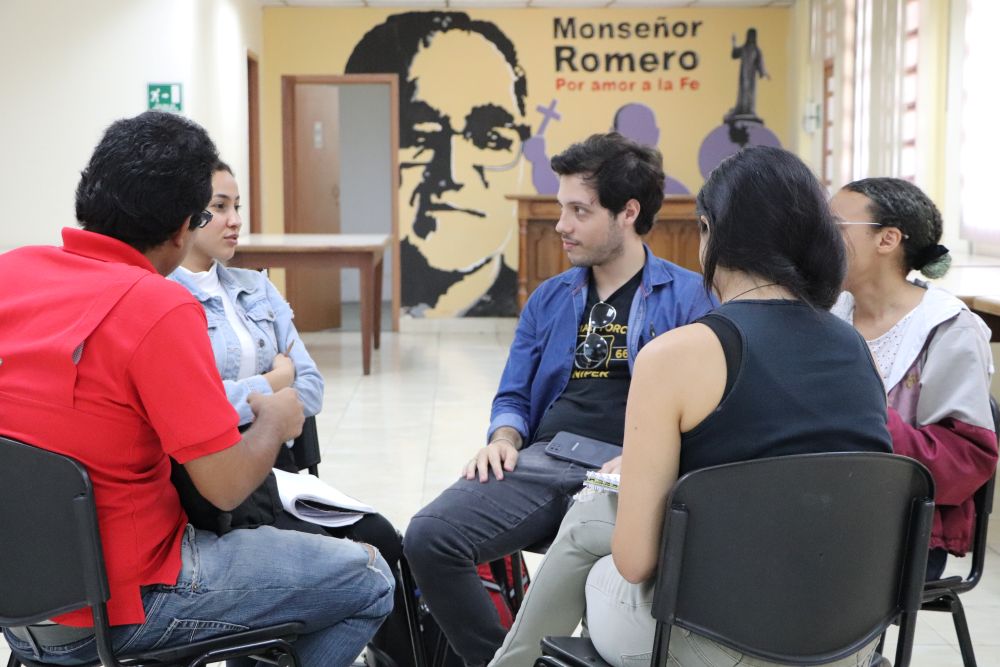
The network will provide refugees and migrants with food, medication, hygiene kits, temporary shelter, psychosocial support, and legal advice.
Refugees and migrants in the Americas often lack access to basic human rights. They also face tightened immigration policies in the United States and Mexico and complex cross-border refugee application procedures in Central America.
Refugees and migrants attend a counselling session as part of the psychosocial support program offered by the Jesuit Migration Network. Photo: RJM-CANA
THIRD SUNDAY OF ADVENT
13 December 2026
“He has sent me to bring good news to the oppressed.”
— Isaiah 61:1
HLDRC: LIVELIHOOD SUPPORT AND CAPACITY BUILDING FOR TEA WORKERS
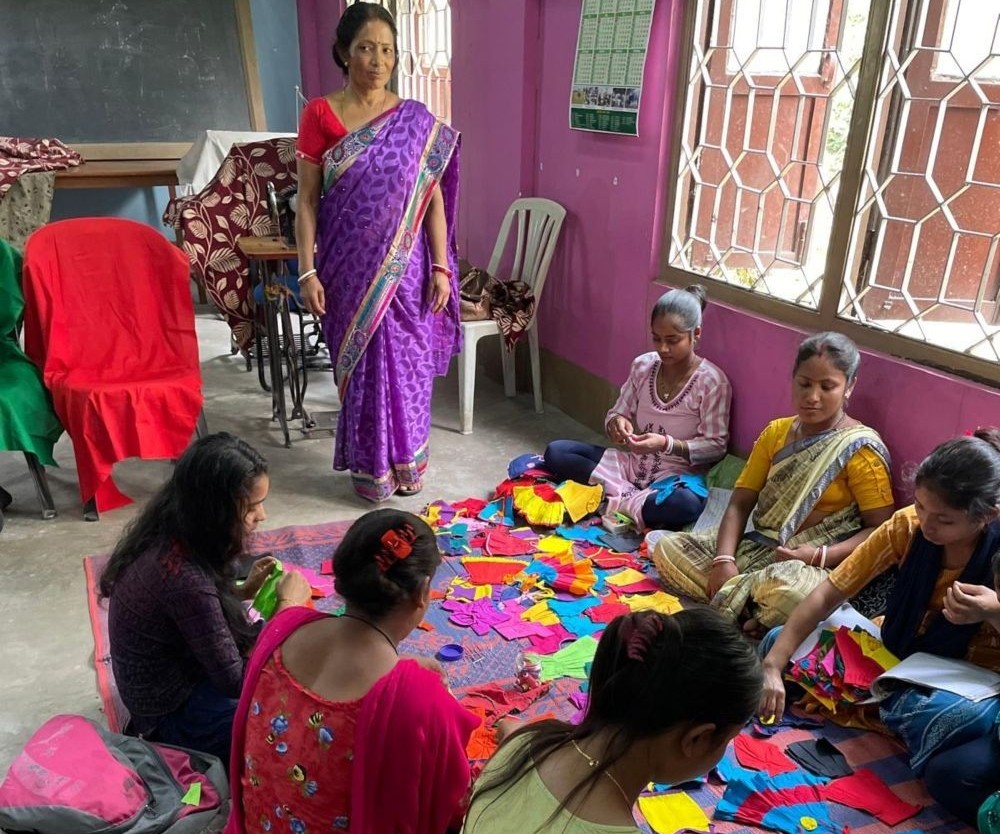
The exploitation of tea plantation workers in North Bengal, India, by plantation managers and government agencies is a common occurrence. Canadian Jesuits International supports a project by its Jesuit partner, the Human Life Development and Research Centre, that empowers tea workers to be aware and to advocate for their rights. The project also offers them livelihood support through self-help groups that engage in small-scale business opportunities, as well as grassroots leadership development training. HLDRC also provides vocational training for young people and education support for the children of tea workers through its non-formal study centres.
HLDRC provides livelihood support to tea garden workers through self-help groups that engage in small-scale businesses. Photo: Jenny Cafiso/CJI
FOURTH SUNDAY OF ADVENT
20 December 2026
“For nothing will be impossible with God.”
— Luke 1:37
JCTR: FORMATION FOR CITIZEN'S DEMOCRATIC PARTICIPATION
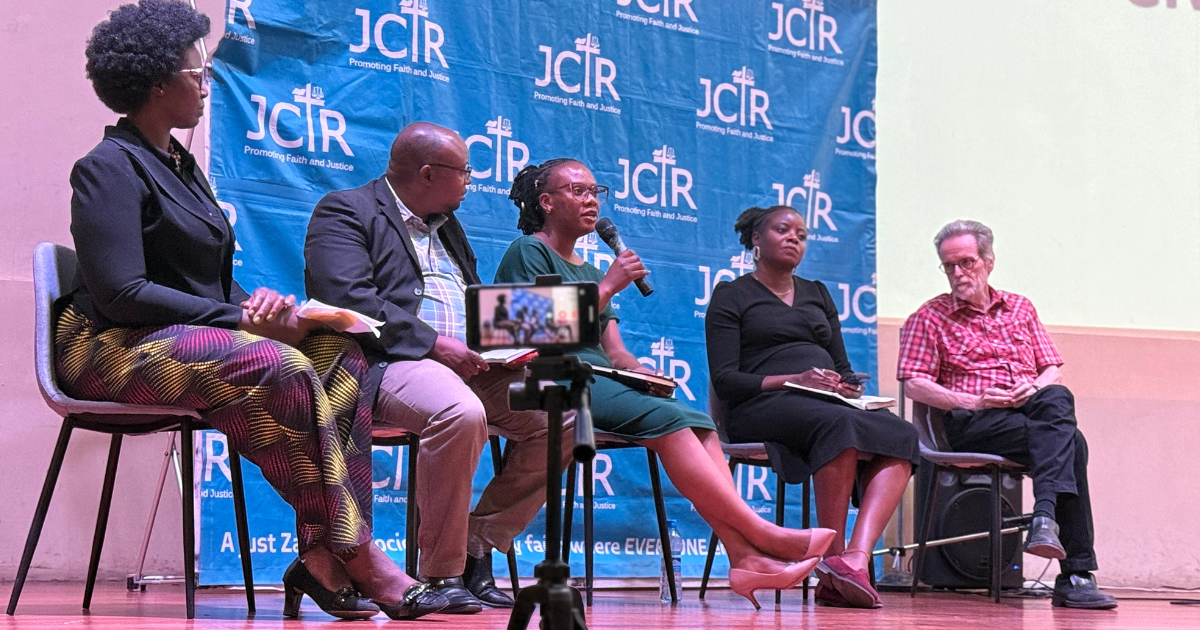
In Zambia, Canadian Jesuits International is supporting a project aimed at strengthening the capacity of Zambians to advocate for good governance, accountability and transparency at all levels of government. The project by Jesuit Centre for Theological Reflection includes awareness-raising workshops, and advocacy training programs that increase awareness of Catholic Social Teaching and a human rights-based approach to development. It will also train 300 members of seven parishes on key social accountability tools, host dialogues between communities and governments, and facilitate the monitoring of community projects.
ABOVE: JCTR organizes events to raise awareness among Zambians of the importance of good governance, accountability and transparency in government. Photo: JCTR

Canadian Jesuits International
70 Saint Mary St
Toronto, ON
M5S 1J3
Canada
Tel: 416.465.1824
Toll Free (Canada and USA): 1.800.448.2148
Email: [email protected]
Registered Charitable No: 11883 3623 RR0002