
2025 Christmas Appeal
“Do not be afraid.
I am bringing you good news
of great joy for all the people. ”
– Luke 2:10
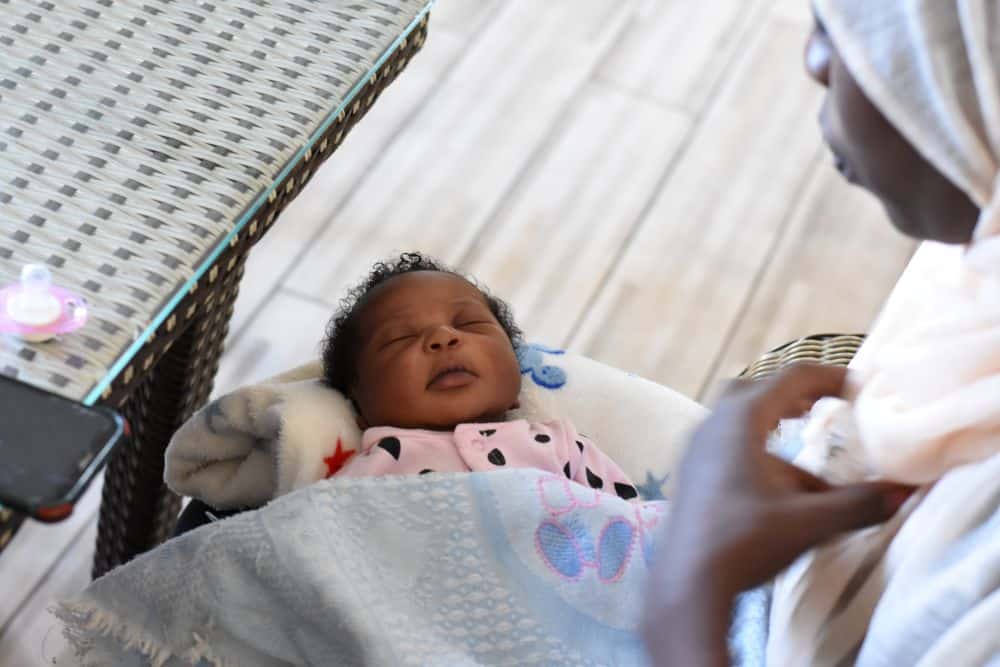
A migrant mother and her newborn take shelter at the Jesuit-run Arrupe Migrant Centre in Lebanon at the height of the conflict between Hezbollah and Israel in late 2024. Photo: Jesuit Refugee Service-Middle East and North Africa
By Jenny Cafiso
Whenever I come across this Scripture passage, I’m always struck by the fact that the angel delivers the good news about the birth of Jesus to a group of shepherds. Shepherds were considered ordinary, unsophisticated folk, living on the margins of society, often overlooked or dismissed by those in positions of power and privilege. Why were they the ones chosen to receive news of such significance? The choice may seem surprising. Yet, when one thinks about the humble way Jesus came into this world, laying in a manger after his birth, this choice becomes fitting. By choosing the shepherds, Jesus reversed the world's order, and put in first place, the poor, the forgotten, and the lowly. 
As I reflect on this Gospel passage, I recall a gathering I attended in August of the Indigenous Solidarity and Apostolate Network (RSAI) of the Conference of Jesuit Provincials of Latin America and the Caribbean. The event was held in Cerocahui, a remote village in Chihuahua, Mexico. It brought together people from across the Americas and beyond, united by a shared commitment to justice, solidarity, and hope for a just world.
The encounter was intense, deeply moving, and spirit filled. We met at the Jesuit house, located beside the church where, in 2022, two Jesuits and a lay person were tragically killed after the latter took refuge in the church, following a run-in with a local drug lord. The presence of drug lords in this town permeates every aspect of people’s lives, casting a long shadow of fear and violence.
I was inspired by the Jesuits who live there. They live simply, guided by an uncompromising option for the poor. They are deeply rooted in the lives and struggles of the people, embodying the very Gospel they proclaim. In this context, the simple act of “being with” the poor and marginalized, is a radical choice. With the poor, they share insecurity, and even violent death. Throughout the gathering, we were accompanied by Indigenous leaders and communities who grounded our experience in prayer, song, and reflection, which honoured the earth and the rich spirituality and knowledge of Indigenous people.
In a context marked by suffering, threats, and uncertainty, we witnessed extraordinary faith and resilience. As participants declared in a joint communique: “Pain can also be danced, prayed, and shared, and, in that sharing, we find new life, solidarity, and the courage to continue weaving the dream of another world — one rooted in justice, community, and hope.” These words capture the spirit of the people I encountered, who, like the shepherds, have heard the good news and, despite overwhelming challenges, choose to believe in God’s promise of salvation.
The good news of the Gospel is for all people, reflecting the radically inclusive nature of God’s kingdom. Our Jesuit partners in Africa, Asia, and Latin America, and you — our faithful supporters — have not only heard this message but are also living it out in tangible, life-giving ways. You embody the Christmas message of love, joy, and hope in the very support you extend.
Your support enables Fe y Alegria to promote integral ecology among students, educators and communities in educational and social centres across the Amazon. Integral ecology emphasizes the interconnectedness of life on Earth, a concept central to the worldview of many Indigenous cultures.
In Chiapas, Mexico, your support strengthens the work of the Jesuit-led Indigenous Rights Centre, which trains youth and other members of Tseltal communities in their own governance system. This project helps to strengthen Indigenous justice and reconciliation in their communities.
In South Sudan, the Jesuit Eastern Africa Province empowers poor communities through education, vocational training, and capacity-building programs. Thanks to your generosity, girls gain access to education, teachers receive stronger training, and small-scale farmers learn about climate-smart practices that safeguard both livelihoods and the land.
In rural Nepal, with your help, children from marginalized communities receive scholarships to study at the Jesuit-run St. Xavier’s Sadakbari, helping them to get a good education and the real possibility of a brighter future.
Thank you for your enduring support to Canadian Jesuits International, to our Jesuit partners, and to the communities they serve. Thank you for helping to spread the good news of great joy through your acts of solidarity and by sharing your blessings.
With gratitude and joy, I wish you a happy and blessed Christmas.
Jenny Cafiso
Executive Director
Thank you for donating to the 2025 CJI Christmas Appeal.
Download a PDF of the Christmas Appeal 2025 brochure
Download a PDF of the Christmas Appeal 2025 letter
FIRST SUNDAY OF ADVENT
30 November 2025
“Come, let us walk in the light of the Lord! ”
— Isaiah 2:5
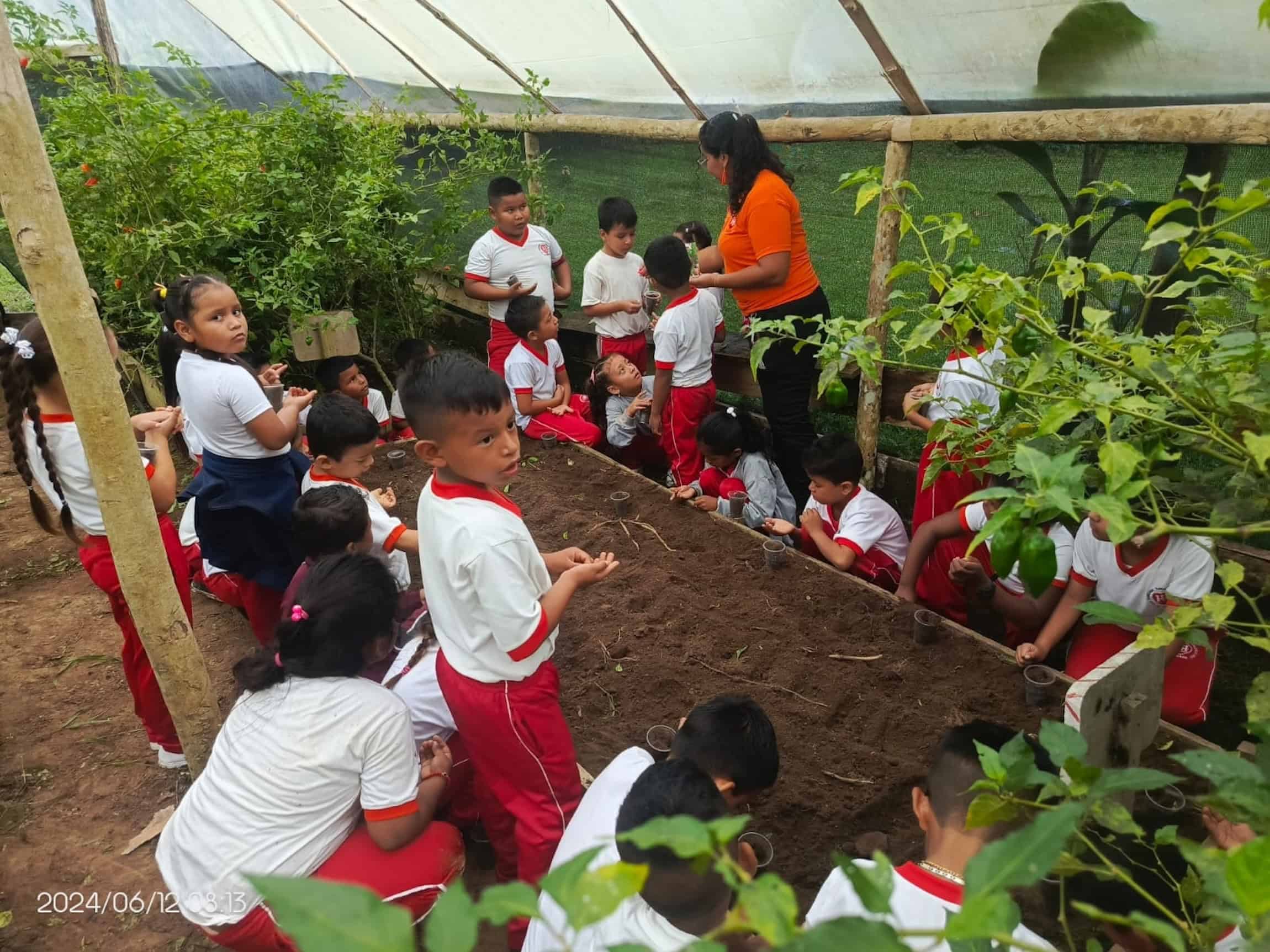
AMAZON — CARING FOR OUR COMMON HOME: ECOLOGICAL & BILINGUAL EDUCATION
Fe y Alegría is implementing a project that aims to strengthen Amazonian identities and promote integral ecology among students, educators, and communities. With support from Canadian Jesuits International, the project will be completed across seven countries and will train 50 instructors through a certified diploma program, integrating ecology into the curricula. The project expects to directly benefit 350 teachers and community leaders and indirectly benefit thousands of students—nurturing ecological awareness and driving social change.
ABOVE: The Fe y Alegría schools promote integral ecology among students, educators and communities in Indigenous Amazon territories. Photo: Fe y Alegría
SECOND SUNDAY OF ADVENT
7 December 2025
“May the God of steadfastness and encouragement grant you to live in harmony with one another”
— Romans 15: 5
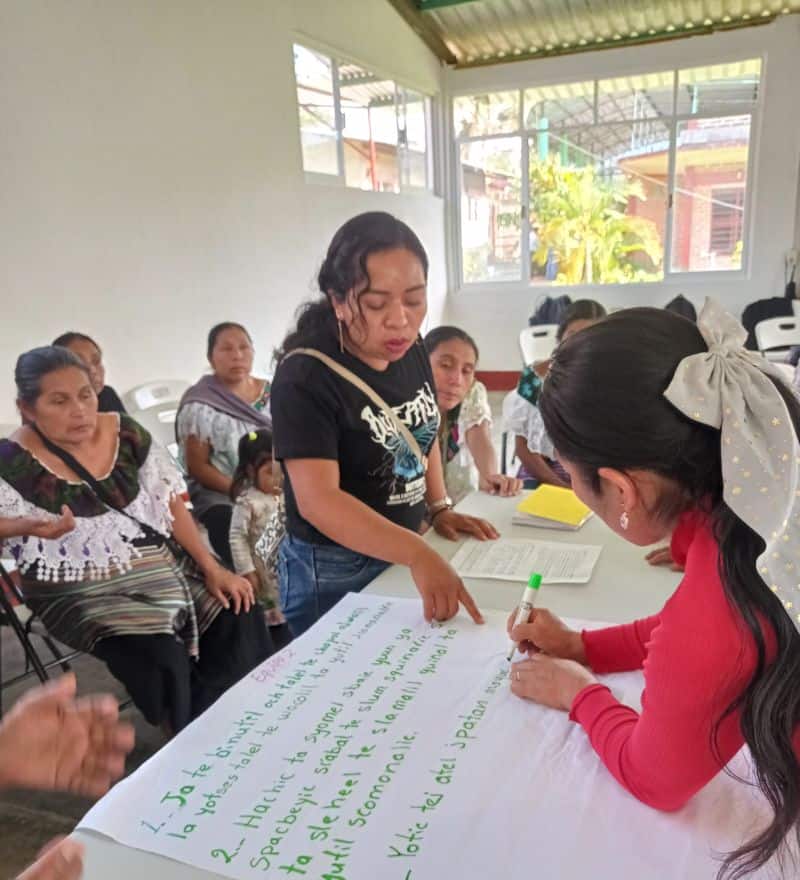
LATIN AMERICA: STRENGTHENING GOVERNANCE, JUSTICE & RECONCILIATION
In Chiapas, Mexico, a Jesuit-led initiative is training Tseltal communities in their Indigenous normative system to strengthen governance, justice and reconciliation. The program includes a diploma course, workshops, and youth-led initiatives to strengthen the social fabric through Tseltal values. Led by the Indigenous Rights Centre, and supported by Canadian Jesuits International, the project has received positive feedback. Young people describe the experience as transformative. The initiative aims to expand regionally, deepening impact through continued training and stronger grassroots and academic partnerships.
ABOVE: Tseltal communities receive conflict resolution training based on an Indigenous governance that emphasizes reconciliation and community integrity. Photo: CEDIAC
THIRD SUNDAY OF ADVENT
14 December 2025
“The Lord watches over the strangers; he upholds the orphan and the widow.”
— Psalms 146:9
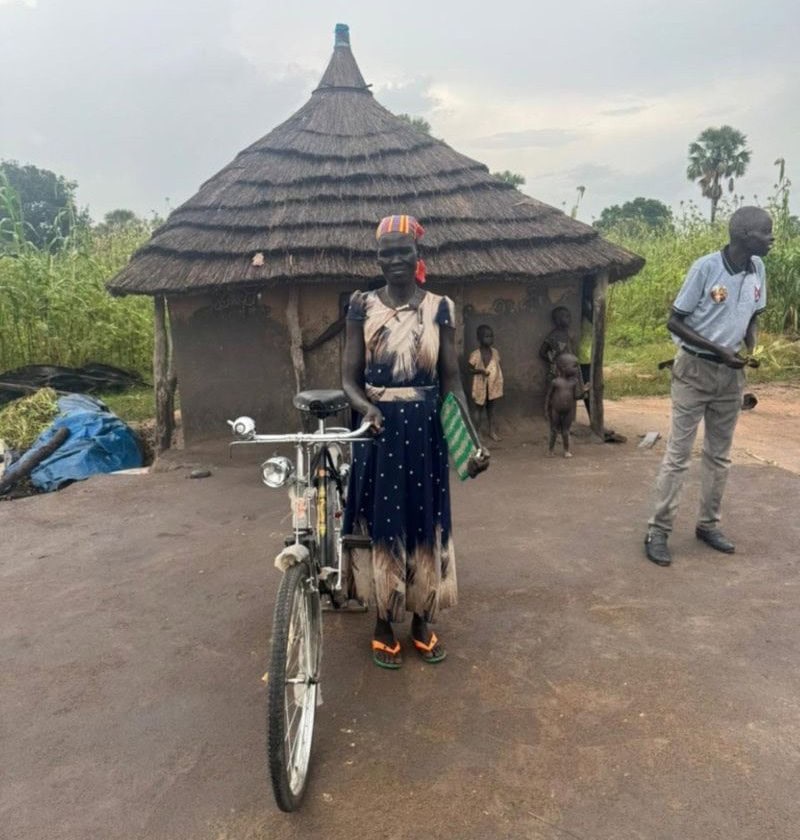
SOUTH SUDAN: SOWING SEEDS OF TRANSFORMATION
Canadian Jesuits International supports the Sowing Seeds of Transformation project, led by the Jesuit Eastern Africa Province across nine schools and centres. The project empowers communities in South Sudan through education, vocational training and capacity-building activities. Programs include the Loyola Secondary School in Wau, improving girls’ access to education; teacher training at Mazzolari College; and human rights education at Jesuit Hakimani Centre. St. Peter Claver Ecological and Computer Centre runs vocational courses, and the Multi-Educational and Agricultural Jesuit Institute trains small-scale rural farmers in climate-smart agriculture.
ABOVE: The Multi-Educational and Agricultural Jesuit Institute (MAJIS) provides small-scale farmers in Rumbek with bicycles to help them bring their produce to the market. Photo: Juan Emilio Hernandez/CJI
FOURTH SUNDAY OF ADVENT
21 December 2025
“And they shall name him Emmanuel, which means, 'God is with us.' ”
— Matthew 1:23
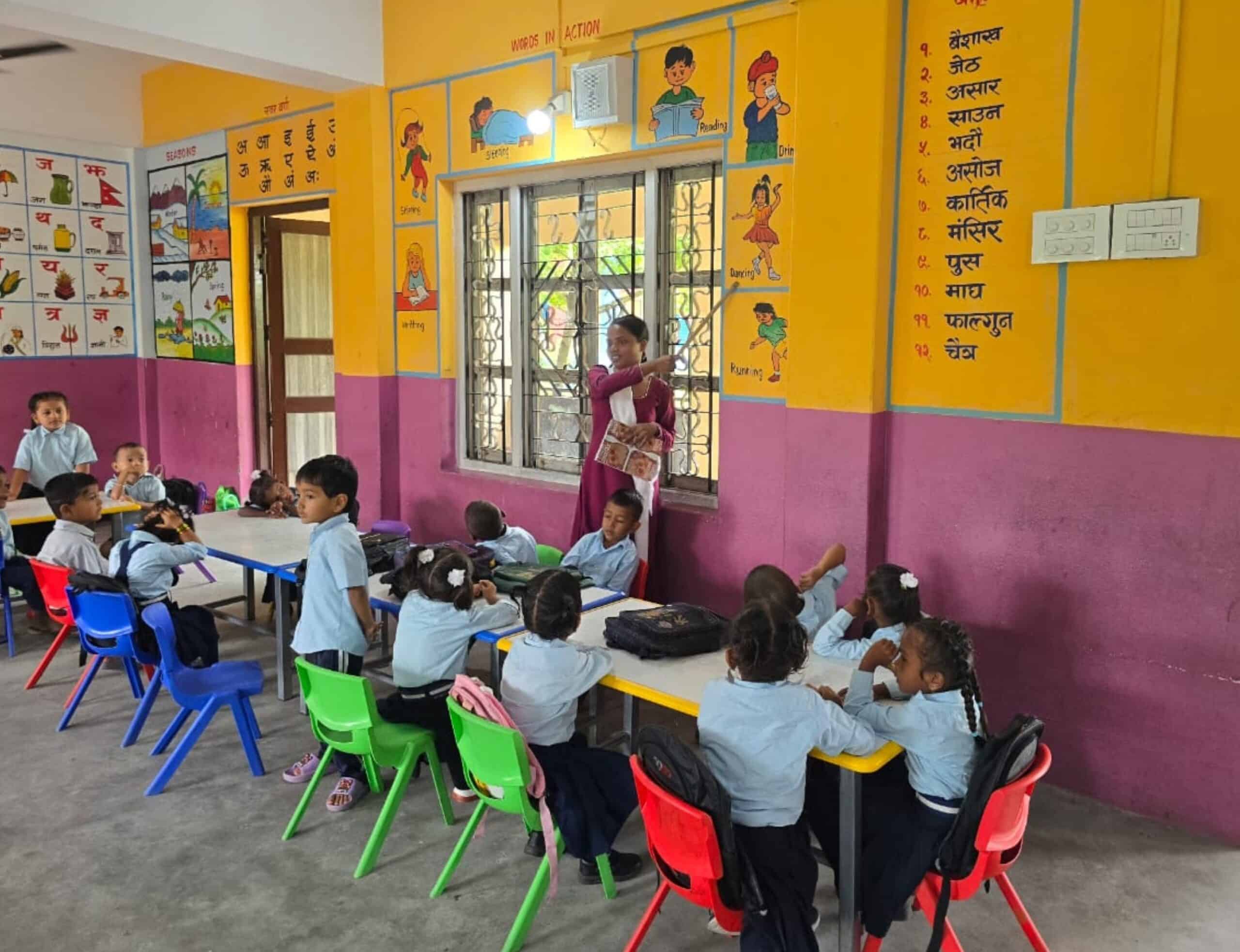
NEPAL: EDUCATION FOR RURAL CHILDREN
Canadian Jesuits International (CJI) supports St. Xavier’s Sadakbari School in rural Nepal, founded by the Nepal Jesuit Society to educate children from the marginalized Santal community. Initially run in a bamboo shelter, the school now has classrooms, a play area, and sanitary facilities, thanks to support from CJI. With a "no child left behind" policy, 80% of students receive scholarships. The school fosters academic excellence and social responsibility. Its next goal is to build a canteen to promote healthy eating, improve hygiene, and offer free snacks to underprivileged students.
ABOVE: St. Xavier’s School in Sadakbari heavily subsidizes tuition as part of its commitment to a “no child left behind” policy. Photo: St. Xavier’s School Sadakbari

Canadian Jesuits International
70 Saint Mary St
Toronto, ON
M5S 1J3
Canada
Tel: 416.465.1824
Toll Free (Canada and USA): 1.800.448.2148
Email: [email protected]
Registered Charitable No: 11883 3623 RR0002