Fall Campaign 2026
INFORMATION and RESOURCES
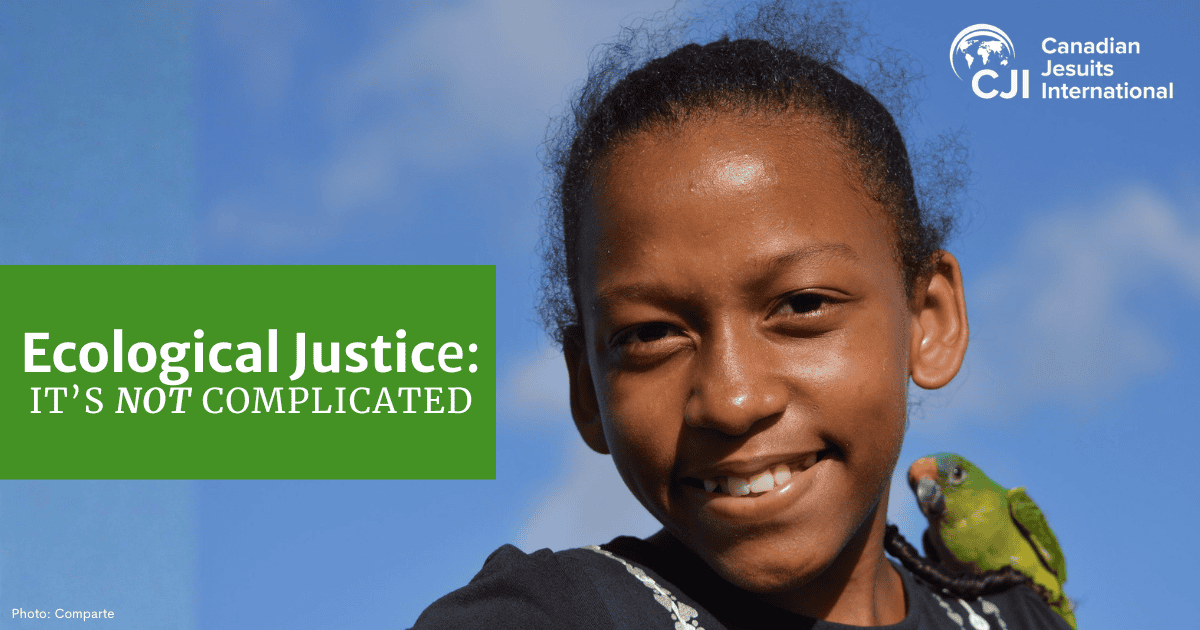
Canadian Jesuits International’s (CJI) 2026 campaign, Ecological Justice: It’s not complicated, highlights how care for our common home cannot be separated from human dignity, social justice and peace. It illustrates how environmental degradation disproportionately affects the poor and marginalized. As the environment deteriorates, these communities, who are least responsible for the ecological crises, are often the first to lose their homes, livelihoods and food security.
This year’s campaign invites us to recognize our shared responsibility for our common home and one another. Drawing on insights from Laudato Si’, our partners, and guest speaker Brex Arevalo, we will explore the moral imperative of ecological justice and what this means for us in Canada. As we continue to fall short of climate commitments, the Sustainable Development Goals, and stronger accountability for Canadian companies operating abroad, we are called to reflect on how our choices, advocacy and public policies can advance ecological justice. This campaign invites each of us to help build a future where people and the planet can flourish together. It's not complicated.
Inequality is deepened by environmental degradation, climate change, and the Global North’s unsustainable models of development and consumption. Climate change threatens food systems, intensifies natural disasters, and forces people to migrate. Extractive industries, AI data centres and industrial agriculture are displacing Indigenous and rural communities in the Global South. They are also polluting water sources, destroying ecosystems, and leading to the loss of biodiversity.
At CJI we place social justice, human dignity, and solidarity at the center of our work. We believe that addressing ecological crises requires us to listen to communities that are most affected by them. Our Jesuit partners support communities as they defend their rights, strengthen local leadership, advocate for policy change and build livelihoods that protect both people and the environment.
In India, the Human Life Development and Research Centre (HLDRC) supports tea plantation workers advocating for fair wages, land rights and sustainable livelihoods. In the Dominican Republic, Centro Montalvo strengthens communities affected by mining and other extractive industries (many of which are based in Canada) by supporting local leaders in protecting their land. In Zambia, the Jesuit Centre for Theological Reflection (JCTR) equips citizens to advocate for accountable governance, economic justice, and sustainable development. Together, these initiatives show that ecological justice is best achieved when communities can meaningfully participate in decisions that directly affect them.
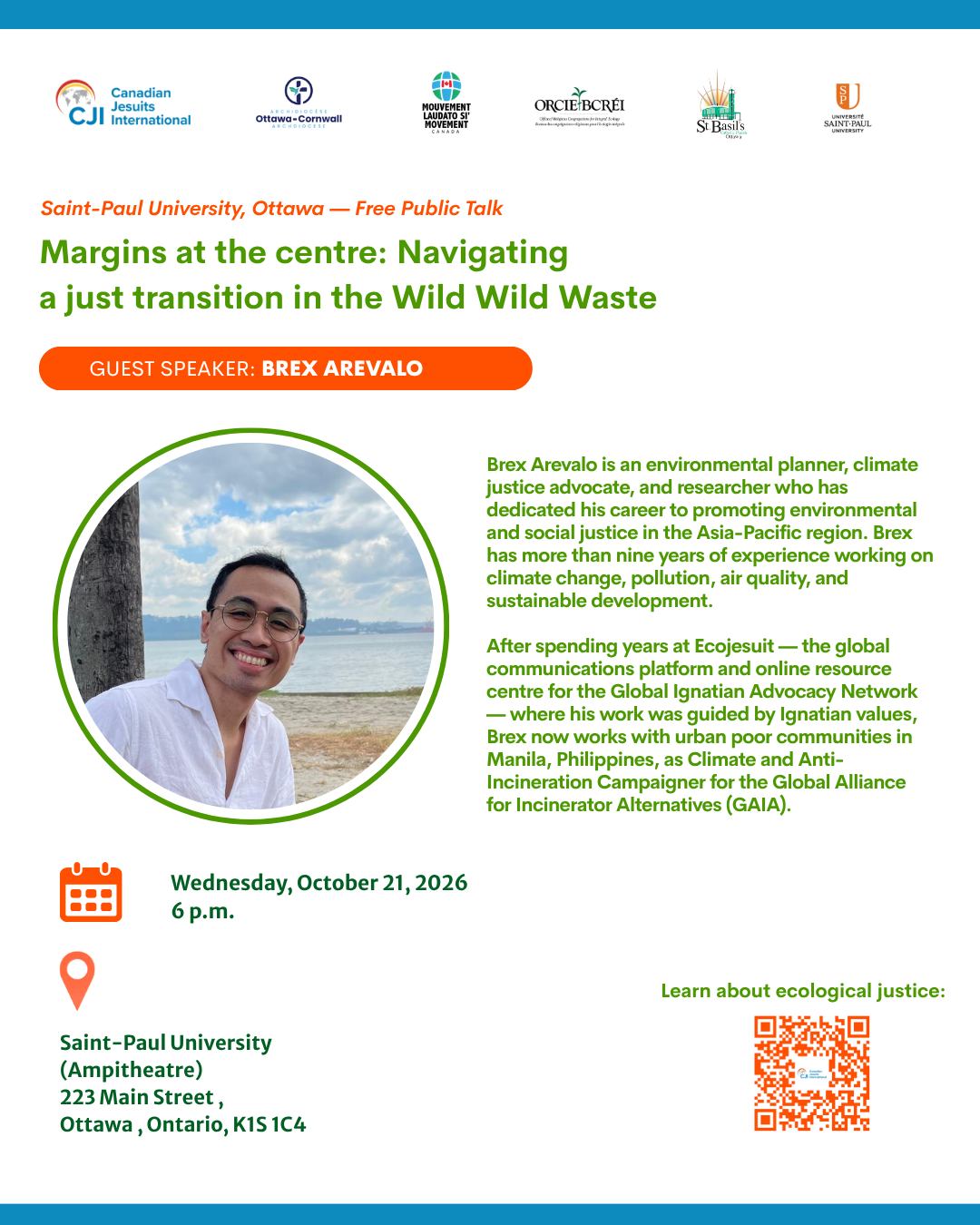
 Brex Arevalo is an environmental planner, climate justice advocate, and researcher who has dedicated his career to promoting environmental and social justice in the Asia-Pacificregion. Brex has more than nine years of experience working on climate change, pollution, air quality, and sustainable development. He collaborates with marginalized communities, civil society organizations, and policymakers to promote equitable and sustainable solutions to environmental challenges.
After spending years at Ecojesuit — the global communications platform and online resource centre for the Global Ignatian Advocacy Network — where his work was guided by Ignatian values, Brex now works with urban poor communities in Manila as Climate and Anti-Incineration Campaigner for the Global Alliance for Incinerator Alternatives (GAIA). He supports the advocacy efforts of these communities, whose homes, livelihoods, and dignity are threatened by a destructive waste-burning facility. He also advocates for policies that support a safe and just energy transition in the Global South. Brex has engaged with governments, the World Bank, and the Asian Development Bank on issues such as sustainable finance, pollution prevention, and environmental safeguards. He has contributed to regional and international climate advocacy through leadership roles with youth networks, faith-based organizations, and multilateral initiatives, including participation in UN climate processes and policy reviews. Through his work, he has amplified the voices of communities most affected by environmental degradation and climate change, helping to shape more inclusive and accountable environmental governance.
Brex holds degrees in Global Studies from Sophia University in Tokyo, Urban and Regional Planning, and Public Administration from the University of the Philippines in Metro Manila.
This October, Brex will visit Canada as part of Canadian Jesuits International’s campaign Ecological Justice; It’s not complicated. His experience of working with frontline communities, youth movements, and international institutions provides valuable insights into how environmental justice, human dignity, sustainable development, and youth leadership are interconnected.
EVENTS
WHAT YOU CAN DO:
 Advocate for Corporate Accountability
Support the Pass a Due Diligence Law campaign.
CJI is part of the Canadian Network on Corporate Accountability (CNCA), which calls for a mandatory human rights and environmental due diligence law. This law would hold Canadian companies accountable for their overseas operations, some of which are linked to the displacement of Indigenous communities, environmental degradation, gender-based violence, and other human rights violations.
By supporting mandatory human rights and environmental due diligence legislation, you are helping to protect people and the planet.
- Visit the CNCA Website and sign the petition calling for a due diligence law.
- Send a letter to your Member of Parliament urging them to support stronger corporate accountability and environmental justice legislation by advocating for the Due Diligence Law. Find a template here. We invite you to edit the letter to make it your own.
- You could also consider involving your school, parish, and community in efforts to raise awareness of this issue by sending a collective letter or contacting your municipal or provincial representative.
 Take Action in Your Community
 Take Action in Your Community
 Change happens when communities come together and work as one to achieve shared goals.
Join an existing ecological justice or social justice group – or start one in your school, parish, campus ministry or community. Use the following resources to host discussions, organize educational events, plan advocacy initiatives, and inspire others to care for our common home. You don’t have to start from scratch. Local and national organizations are working to advance ecological justice in communities across Canada. Below you will find resources to help your group get started, along with campaigns you can support and opportunities to advocate for ecological justice.
Resources:
Laudato Si’ Movement – From conversation to action, this article provides 52 ways to care for creation.
For the Love of Creation Conversation Guide – It provides a toolkit for small groups to support conversations aboutclimate change in the context of faith.
EcoJesuit Letters to the Earth Initiative - It includes a Learning Toolkit for Educators in numerous languages and Ignatian Reflection Cards to enhance ecological education.
Laudato Si’ Climate Action – An extensive digital library that has numerous resources from educator guides to printable booklets and initiatives for your group whether you are a new group or a developing group ready to act through conversation or action
Catholic Climate Covenant and Ignatian Solidarity Network Climate Action in Highschool– A seven-part resource guide to support Catholic high school students to engage with conversations and actions around ecological justice.
Amnesty Canada’s Climate Justice Resource Kit – It provides creative ways to host group sessions to keep the conversation around Climate Justice going, including a living library, hosting an Art Build or leading a Climate Circle.
Campaigns to Get Involved In: We encourage you or your group to support or learn from the following initiatives:
Environmental Defense Campaigns
Global Ignatian Advocacy Network: Jesuits for Climate Justice Campaign
Together, we can build stronger communities and turn awareness into meaningful action.
 Make an Ecological Justice Pledge
Justice begins with the choices we make every day. We invite individuals, families, schools, and parishes to commit to meaningful actions that protect and care for our common home.
Whether you commit to reduce waste, protect local ecosystems, support Indigenous-led initiatives such as local Land Back Campaigns, protection of wildlife and water or fossil fuel resistance, advocate for environmental policy change, or deepen your understanding of ecological justice, every action contributes to building a just and sustainable future.
Take the pledge and encourage others in your community to do the same. Click here to find pledge templates.
Featured project:
Human Rights, Civic Participation, and Peacebuilding
India: Human Life Development and Research Centre (HLDRC)
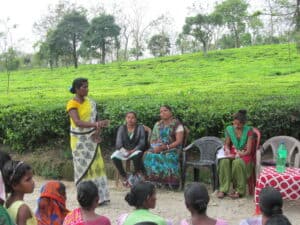
HLDRC aims to empower marginalized members of the tea plantation community through rights-based advocacy, livelihood support, education, and leadership development. Photo: HLDRC
Featured project:
Human rights, Civic Participation, and Peacebuilding
Jesuit Centre for Theological Reflection (JCTR)
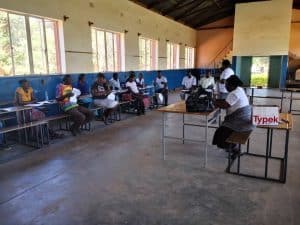
JCTR aims to strengthen the capacity of local citizens to advocate for good governance, transparency, and servant leadership at various government levels. Photo: JCTR
Featured project:
Human Rights, Civic Participation, and Peacebuilding
Indigenous Solidarity and Apostolate Network (RSAI)
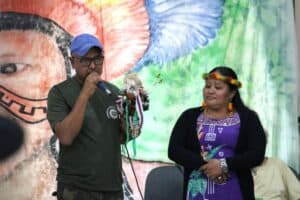
RSAI projects help protect our common home and strengthen the leadership of Indigenous women in Latin America who are defending their ancestral territories and culture. Photo: RSAI
Featured project:
Human Rights, Civic Participation, and Peacebuilding
Centro Montalvo
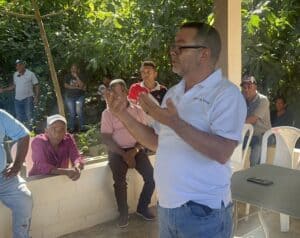
Centro Montalvo responds to the socio-economic impacts of environmental damage caused by extractive industries by focusing on local autonomy, community organizing, food security, defence of human rights and sovereignty. Photo: Centro Montalvo
@canadianjesuitsinternational
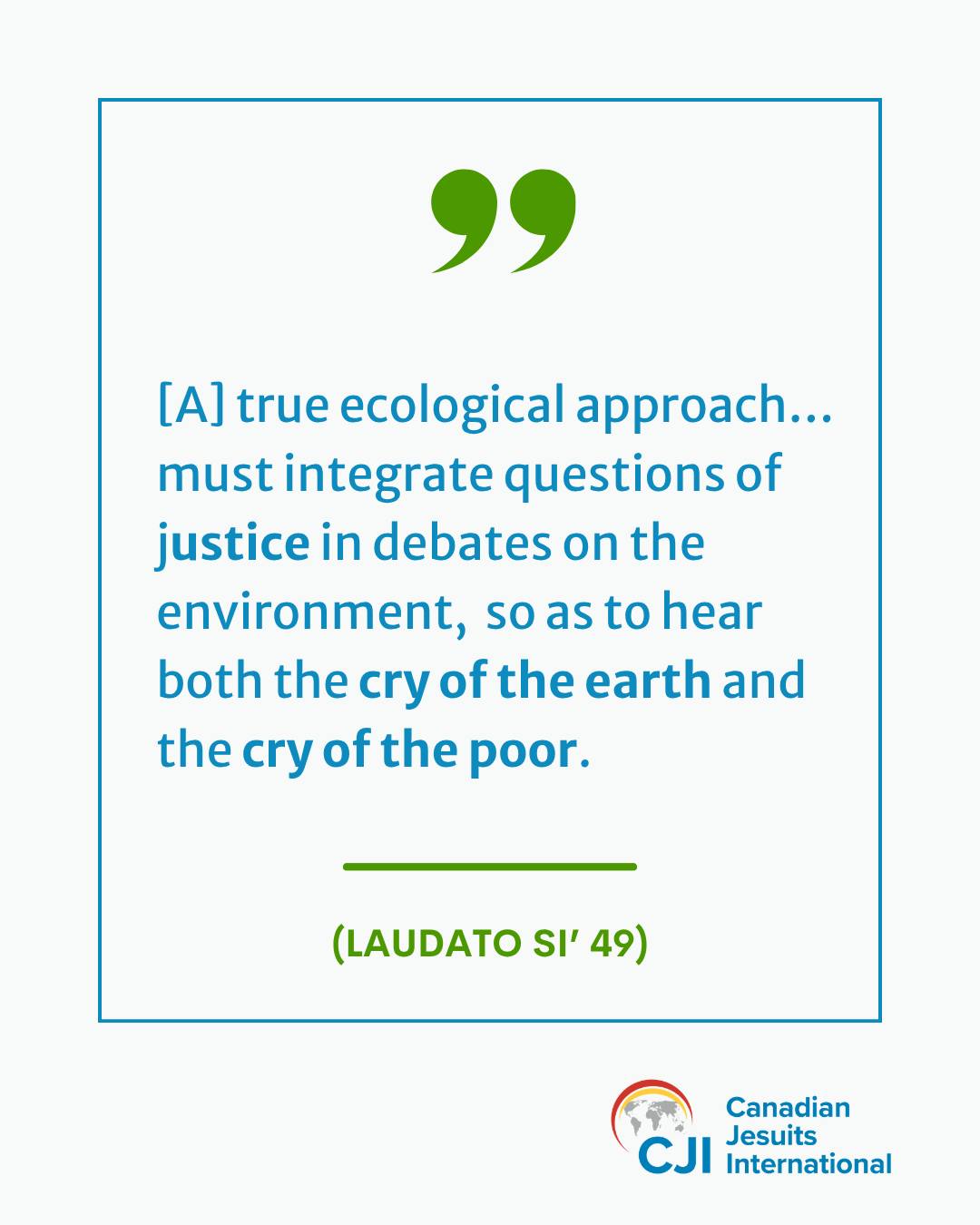

Learn more about CJI's 2026 fall campaign, Ecological Justice: It's not Complicated ➡️ Click link in bio.
16 hours ago
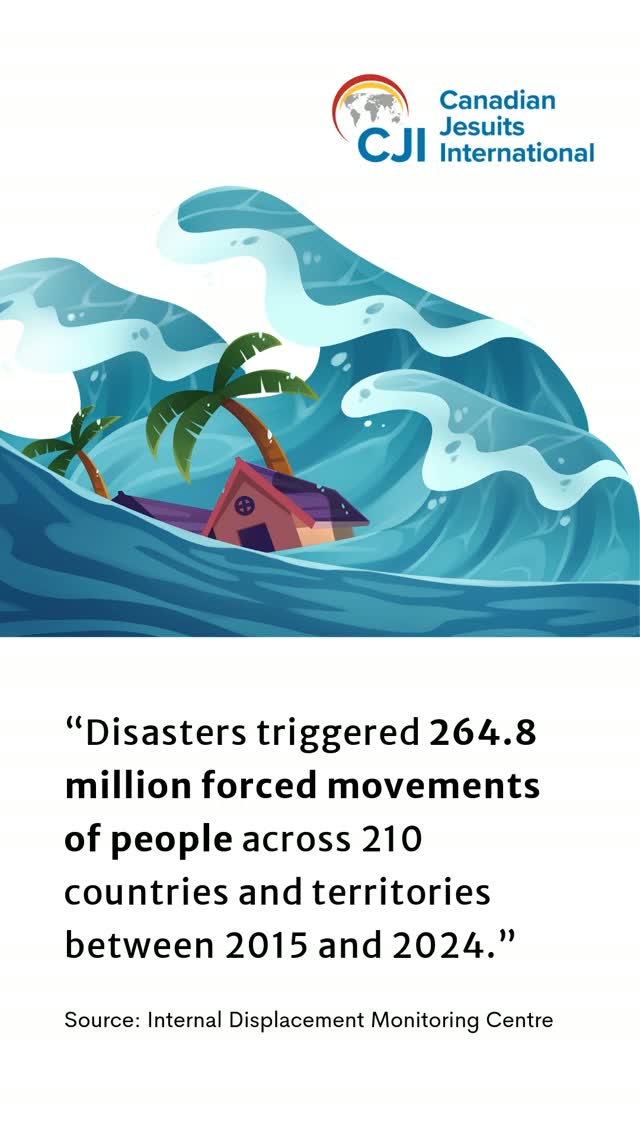


Today, CJI guest speaker Brex Arevalo, a Filipino environmental activist from the Philippines, highlighted the important role young people play in the fight for ecological justice with students at Holy Trinity High School and St. Peter’s High School in Ottawa.
Brex shared the stories of young people Manila who opposed a plan for a waste incinerator in urban poor communities. Brex is speaking at various events in Canada as part of CJI’s 2026 fall campaign, Ecological Justice: It’s not complicated. Learn more: https://bit.ly/4if8T5S
The students engaged in a thoughtful conversation about what they can do now. Questions ranged from careers in the environmental sector and alternatives to plastic, to how young people can participate safely and effectively in protests.
Brex explained that, for communities on the front lines, the issue is clear: reduce waste, reduce consumption, and move toward zero waste. Hazardous burning of waste and plastics is harming people’s health, land, and livelihoods, leaving no time for approaches that do not address the root causes. He also cautioned that incineration, often marketed as “waste-to-energy,” thermal treatment, or waste combustion, is a false solution to managing the waste created by overconsumption.
Thank you to the students and staff for their curiosity, energy, and commitment to caring for our common home.
#Ottawa #Jesuits #ecologicaljustice #climatejustice #wildwildwaste #waste
2 days ago


Kim Gottfried Piché, CJI Social Justice Animator, shared this summary and reflection from last night's event at Saint Paul University in Ottawa, Margins at the Centre: Navigating a Just Transition in the Wild Wild Waste, which featured guest speaker, Brex Arevalo, an environmental activist from the Philippines.
"Brex’s talk at Saint-Paul University was timely as the city is debating whether to accept a proposal for a waste-to-energy incineration plant that will abolish the three-item garbage limit that the City of Ottawa has put into effect in an effort to curb waste production as the Trail Road landfill approaches its capacity.
The participants were engaged and asked important questions around the zero waste hierarchy presented in Brex’s talk. Should citizens push for an extension of producer responsibility for waste produced (top down of the hierarchy)? Or should we tackle the challenge from the bottom-up perspective of reducing our waste and consumption? One participant suggested that perhaps we should focus on the middle of the hierarchy by engaging culture and youth about zero waste practice. Many expressed an interest in learning about the origins of the Quebec Week of Waste Reduction and how it has evolved for over 26 years.
Brex shared that for the marginalized urban communities, also known as the waste sorters in Manila or the “climate champions: as they are called, the issue of this ecological justice debate is simple. Reduce waste, reduce consumption, go zero waste. They don’t have the time to approach the issue any other way because hazardous burning of waste and plastics is destroying their health, their land and their livelihoods. Incineration (also known as waste to energy, thermal treatment, waste combustion) is a false solution to managing waste produced by overconsumption, Brex said.
The talk at Saint Paul University was thought-provoking and led us to consider deeper aspects of the issue, such as waste colonization and ecological debt of the Global North who consume excessively and export their toxic, unsorted and hazardous waste to less-affluent countries in the Global South."
2 days ago


About 170 @loyolamontreal students welcomed CJI guest speaker Brex Arevalo and participated in a solidarity activity on ecological justice as part of CJI’s Fall 2026 campaign.
Brex, a Filipino environmental activist and researcher, underscored the importance of bringing marginalized people at the centre of decision-making, especially on issues that affect them, such as the environment.
Brex talked about the impact of incineration on urban poor communities, and noted how Canada is among the countries who ship an enormous amount of waste to the Philippines, Malaysia, Indonesia, and Vietnam.
#montreal #jesuits #jesuitschools
2 days ago
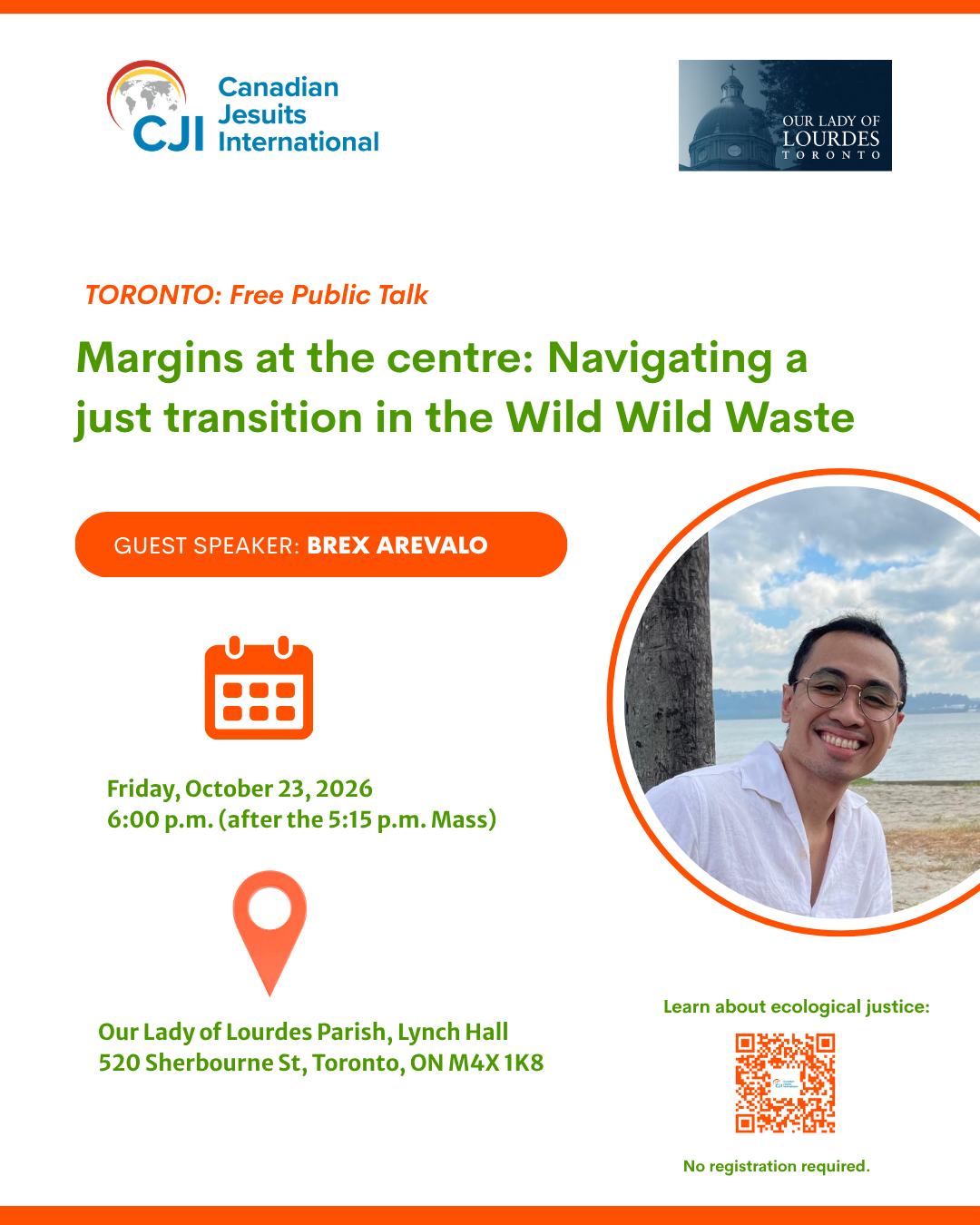
Don't miss this CJI and @lourdestoronto parish event in TORONTO this Friday, October 23, at 6 p.m.
Brex Arevalo is an environmental planner, climate justice advocate, and researcher who has dedicated his career to promoting environmental and social justice in the Asia-Pacific region.
After spending years at Ecojesuit — the global communications platform and online resource centre for the Global Ignatian Advocacy Network — where his work was guided by Ignatian values, Brex now works with urban poor communities in Manila, Philippines, as Climate and Anti-Incineration Campaigner for the Global Alliance for Incinerator Alternatives (GAIA). He supports the advocacy efforts of these communities, whose homes, livelihoods, and dignity are threatened by a destructive waste-burning facility.
He also advocates for policies that support a safe and just energy transition in the Global South.
3 days ago


Today, CJI guest speaker @brexarevalo spoke to @mcgillu students and Newman Centre staff about his journey to becoming an ecological justice activist, emphasizing the importance of Ignatian values.
He discussed the ecological injustices suffered by marginalized communities and noted how waste workers are at the forefront of efforts to address environmental concerns in Manila.
He also underscored the important role that young people can play in these initiatives.
After Brex’ talk, the conversation centred around the challenges of ecological conversion for decision-makers and the general public. The students were keen to discuss how they could address these issues at the formation stage, and the conversation was fruitful.
Fr Anthony Atansi, the Newman Centre chaplain, expressed his gratitude, commenting on how the event incorporated the Centre's spiritual, intellectual, and social legacy.
Brex is touring Canada as part of CJI’s Fall 2026 campaign, Ecological Justice: It’s not Complicated. An environmental planner, climate justice advocate, and researcher, he has dedicated his career to promoting environmental and social justice in the Asia-Pacific region.He works with marginalized communities, civil society organizations, and policymakers to promote equitable and sustainable solutions to environmental challenges.
CJI’s ecological justice campaign highlights how care for our common home cannot be separated from human dignity, social justice and peace.
Learn more about the campaign and other speaking events: Click link in bio.
#mcgill #newmancentre #montreal #jesuits #cji
3 days ago


Canadian Jesuits International (CJI) International Programs Coordinator Juan Emilio Hernandez is representing CJI at the 50th Congress of Fe y Alegria International in Peru.
CJI is supporting Fe y Alegria projects, including its preschool education program in the Democratic Republic of Congo, Chad, Madagascar, and Haiti; bilingual and ecological education in the Amazon; and an entrepreneurship and employment program for young people in Central America and Cuba.
Juan Emilio had an opportunity to meet with Fe y Alegria partners, including Irma Lucia Mariño Vargas, director of the Integral Ecology and Panamazonia Initiative of the International Federation of Fe y Alegría.
Click link in bio to visit our website and learn more about our partnership with Fe y Alegria.
#jesuits #peru #education #feylalegria
4 days ago
Planned Giving

Photo: Fe y Alegría Peru

Canadian Jesuits International
70 Saint Mary St
Toronto, ON
M5S 1J3
Canada
Tel: 416.465.1824
Toll Free (Canada and USA): 1.800.448.2148
Email: [email protected]
Registered Charitable No: 11883 3623 RR0002